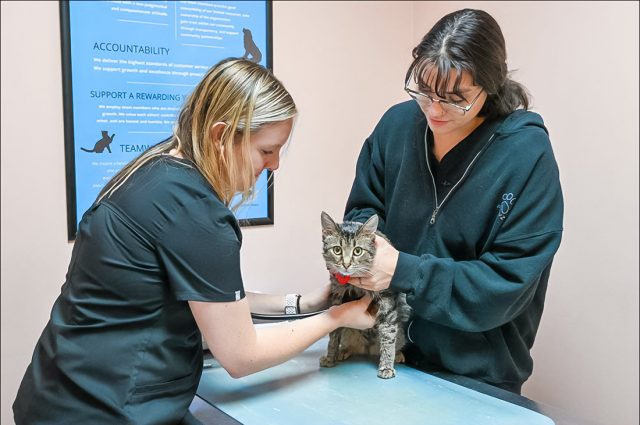
Extreme heat and high humidity are becoming a serious challenge for the bodies of pets. The risk of overheating is no longer theoretical when the air temperature regularly increases beyond 40°C and occasionally reaches 50°C. It turns into a daily occurrence.
In such conditions, heat stress develops faster than many people expect. The animal’s body does not have time to adapt. Especially if the basic protection conditions are not created.
How Does Heat Affect Thermoregulation?
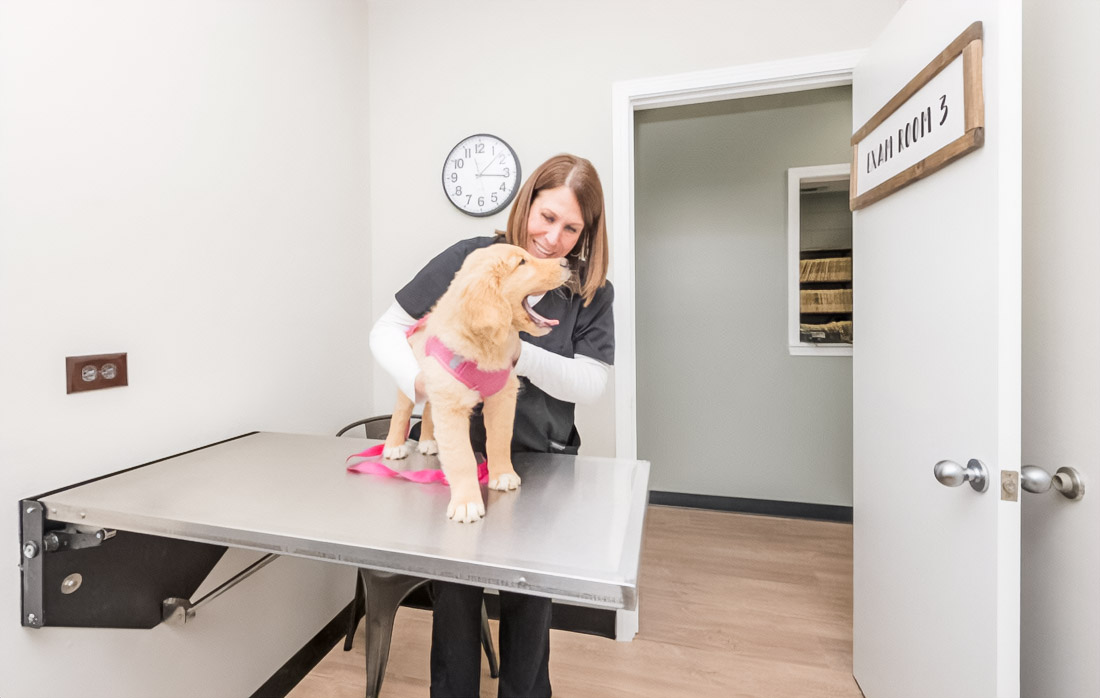
Heat stroke is not just overheating. This is an acute violation of the mechanisms of thermoregulation, in which the body temperature rises to critical values of about 40°C and above.
In normal conditions, the body temperature of animals is kept in the range of 38-39°C. Even a slight excess of this level, especially at high humidity, dramatically increases the load on the heart, respiratory system and internal organs.
High humidity makes the issue worse. Moisture evaporation slows down. Cooling by breathing becomes less effective. Heat accumulates inside the body.
Symptoms That Cannot be Ignored
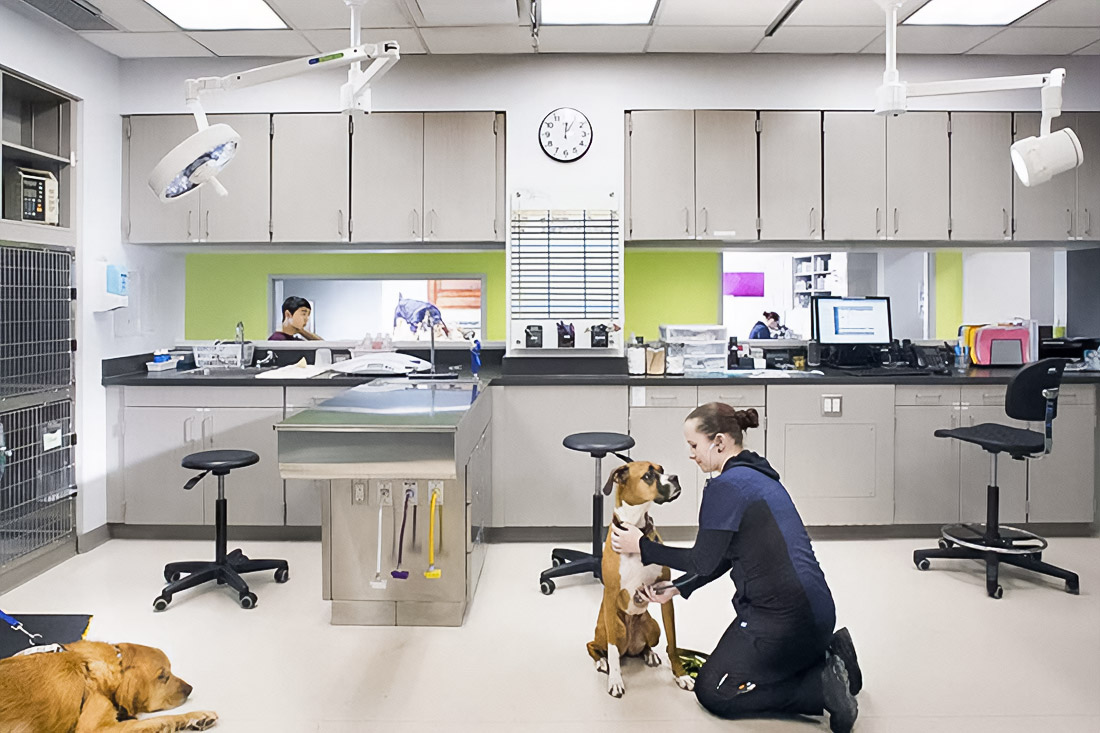
Overheating rarely develops unnoticed. The body sends signals. How soon they will be identified is the only question.
The most common symptoms include intense breathing, heavy or noisy breathing, excessive salivation, and marked weakness. Lethargy, vomiting and loss of orientation are often observed.
Seizures and unconsciousness may happen in more serious situations. This represents an emergency condition that requires immediate action and professional attention from a pet clinic.
Who is at High Risk

Heat affects all animals, but unevenly. Some groups are more vulnerable.
An increased risk of heat stroke is typical for animals with short muzzles, as well as for individuals with thick or double hair. Animals that are younger and older may withstand the heat less well. Excess weight and chronic diseases further increase the burden on the body.
In such cases, even moderate activity can lead to overheating.
Heat, Walking, and Heated Surfaces
One of the most common causes of heat stroke is walking at the wrong time. Especially in the daytime.
Asphalt tiles and concrete are heated to 55-75°C in hot weather. Contact with such a surface leads to burns on the paws in a matter of minutes. The most dangerous interval is considered to be from 11:00 to 16:00. It is safer to go for a walk early in the morning or in the evening after sunset, when the air and surface temperatures decrease.
Dehydration as a Potential Danger
In hot conditions, fluid loss occurs much faster. This applies even to animals that are indoors.
The need for water can increase 1.5–2 times, especially with physical activity and high humidity. Lack of fluid increases heat stress, impairs blood circulation and accelerates the development of overheating.
Constant access to fresh water is a prerequisite. Additional support is provided by wet food and dietary adjustments towards foods with a high moisture content.
Interior Space and Cooling
Being indoors does not always mean safety. If the air temperature is high and ventilation is insufficient, the risk of overheating persists.
Cooling surfaces, air circulation, and air conditioning all offer effective protection. Tiles and special cooling mats help to reduce the heat load.
It is important that the cooling is stable. Sudden temperature changes are undesirable.
Grooming and the Role of Wool
There is a common misconception that shaving your hair completely helps you cope with the heat. In practice, this is not the case. Wool performs an insulating function. It protects the body not only from cold but also from overheating, as well as from direct sunlight. A full shave can disrupt natural thermoregulation.
Proper pet grooming includes regular brushing, removal of excess undercoat, and prevention of matting.
Optimal care includes regular combing, removal of the undercoat and prevention of the formation of tangles. This approach improves air circulation and reduces heat stress.
A Car as a Deadly Risk Zone
A car in the heat is particularly dangerous. Even at an air temperature of about 30°C, the interior heats up extremely quickly. In just 10 minutes, the temperature inside can reach 40°C. After about 20 minutes, it can rise to 50°C. Even a short stay in such conditions can lead to heatstroke. Open windows do not save the situation.
First Aid In Case of Overheating
You must take quick action if you suspect heat stroke. Move the animal to a cool room or one with shade.
Careful cooling with cool, but not icy water is acceptable. Special attention is paid to the abdomen, neck and paws.
Sudden cooling is contraindicated. It can cause vascular spasm and worsen the condition.
Prevention as the Main Strategy
It is much easier to prevent overheating than to deal with its consequences. Emergency actions are seldom as effective as prevention. It includes limiting activity during hot hours, controlling ambient temperature, protecting paws, proper care and regular monitoring of the animal’s condition. An integrated approach reduces the risk of heat stroke and helps maintain health even in extreme heat conditions.
Heat is a serious physiological challenge. It affects breathing, blood circulation and the general condition of the body. Heat stress, overheating, and dehydration develop quickly. Sometimes it goes unnoticed. Understanding the risks, knowing the symptoms, and timely prevention can ensure the safety and well-being of animals even in the harshest climatic conditions.

“The only impossible journey is the one you never begin.” –Tony Robbins